For years, "Vietnam upgrade" was the trade that never quite happened. This autumn it did, at least at FTSE Russell. I trade gold, not Vietnamese equities, and we sell travel, not advice, so this isn't a buy or sell note. It's a plain account of what changed, and of what you can learn by coming to look.
What did FTSE Russell decide about Vietnam?
FTSE Russell reclassified Vietnam from frontier to secondary emerging market status, effective Monday 21 September 2026. It first announced the move in October 2025, subject to a March 2026 review, and confirmed it on 7 April 2026.
| Date | Step |
|---|---|
| Oct 2025 | FTSE Russell announces the reclassification, subject to an interim review |
| 7 Apr 2026 | Confirmed after the March 2026 review |
| 21 Sep 2026 | Effective: first tranche (10%) included |
| Mar 2027 | Second tranche (20%) |
| Jun 2027 | Third tranche (35%) |
| Sep 2027 | Final tranche (35%) |
Tranche schedule as published in market reports on the reclassification. Check FTSE Russell's own index notices for the final weights and constituent list.
Why did Vietnam get upgraded now?
Because it fixed the market-access problems FTSE had flagged for years, above all the rule that foreign institutions had to pre-fund trades in full. A non-prefunding model and a formal process for handling failed trades were the key changes.
For a fund, pre-funding meant parking cash in Vietnam before every trade, which most global investors wouldn't do. Removing it moved Vietnam from "interesting" to "investable" for index funds that track FTSE emerging-market benchmarks.
How much money could the upgrade bring in?
Estimates vary widely. Local brokers' forecasts for passive index inflows across the four tranches run to around $2 billion, and some international banks put total active and passive inflows in a range of several billion dollars over time. Treat any single figure as a forecast, not a fact.
Because the inclusion is phased to September 2027, the flows also arrive in steps, around each index review date, rather than all at once.
Has MSCI upgraded Vietnam too?
No. In its 2026 market classification review on 24 June 2026, MSCI kept Vietnam as a frontier market and did not add it to the watch list that precedes an upgrade. Foreign ownership limits remain the main obstacle; the next chance is the 2027 review.
That matters, because more emerging-market money tracks MSCI than FTSE. The market reforms Vietnam is working on next, including a central counterparty (CCP) clearing model and looser foreign ownership caps, are what MSCI is watching.
What can I learn from visiting Vietnam in person?
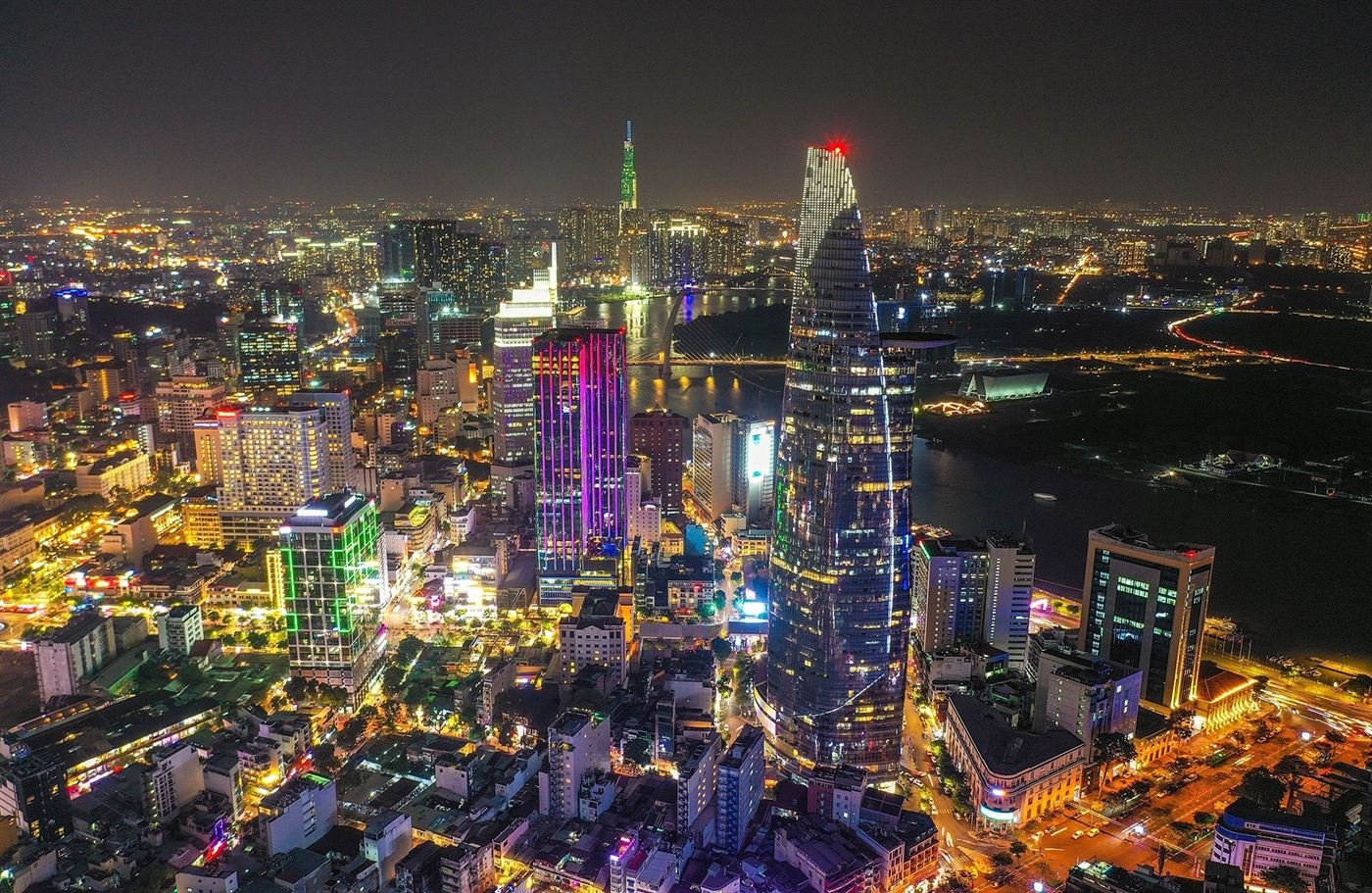
The things an index can't show you: how the companies run, how busy the industrial parks and ports are, what the consumer economy feels like on the street, and how fast decisions get made. A three to five day visit to Ho Chi Minh City covers the financial district, a site visit and adviser meetings.
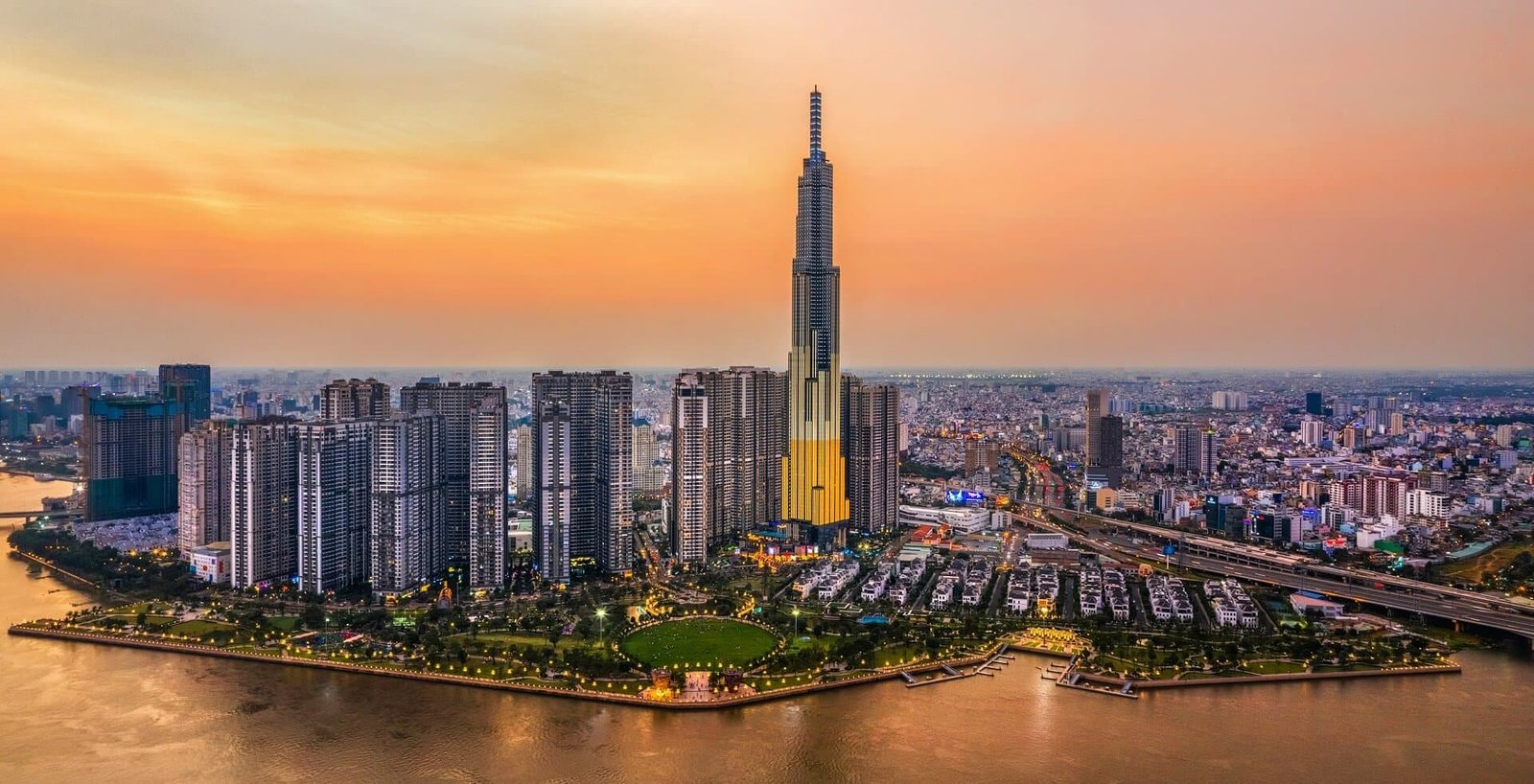
- The financial district: District 1 and the Thu Thiem area across the river, where the city's international financial centre is being built.
- The real economy: an industrial park or port in the city's industrial belt, where most of Vietnam's 2026 FDI is going.
- The consumer: malls, markets and street food in the evening; our food guide is a good start.
- The rules: licensed lawyers and tax advisers on foreign ownership and account set-up.
How does Green Candle Journeys help investors visiting Vietnam?
We run the whole visit: hotel in District 1, a car and driver, an interpreter, requested company introductions, site visits, and introductions to licensed legal and tax advisers. We are a travel company: we don't give investment advice, and meetings are requested, not guaranteed.
If you trade as well, we keep your meetings in the morning so the London open at 15:00 and New York at 20:00 Vietnam time stay free; our trading room checklist is how we choose your hotel. Read the 3-day Ho Chi Minh City plan and Vietnam business etiquette before you come.
FAQ
Is Vietnam an emerging market now?
For FTSE Russell, yes: Vietnam has been a secondary emerging market since 21 September 2026. For MSCI, no: it remains a frontier market and was not added to MSCI's upgrade watch list in June 2026.
When does the FTSE upgrade of Vietnam take effect?
The reclassification took effect on 21 September 2026. Inclusion in FTSE indices is phased in four tranches: 10% in September 2026, 20% in March 2027, and 35% each in June and September 2027.
Why was Vietnam upgraded by FTSE Russell?
Mainly because Vietnam removed the requirement for foreign institutional investors to fully pre-fund their trades, and set up a formal process for failed trades. Those were the market-access issues FTSE had flagged.
Why hasn't MSCI upgraded Vietnam?
MSCI's main concern is foreign ownership limits on Vietnamese companies, along with other market-access issues. It kept Vietnam off its watch list in June 2026; the next chance is its 2027 review.
Do you give advice on investing in Vietnamese stocks?
No. Green Candle Journeys is a travel company. We arrange visits, cars, interpreters, requested introductions and site visits, and we introduce you to licensed advisers for investment, legal or tax questions.
The bottom line
FTSE now counts Vietnam as an emerging market, money arrives in steps to September 2027, and MSCI is still waiting. If Vietnam is on your list, the most useful research you can do is a few days on the ground with the right people in the room.
Sources: The Investor, 8 Apr 2026; Vietnam Briefing; Viet Nam News on MSCI.